
Structured Cabling Structured Cabling

What Makes Up a Structured Cabling System? A Complete Breakdown

A structured cabling system is the backbone of any modern commercial facility. From restaurants and hotels to retail and multi-site operations, every connected device depends on a well-designed infrastructure to function efficiently.

Rather than a single cable run, structured cabling is made up of multiple interconnected components that work together to support data, voice, video, and network communication. Understanding these key parts helps ensure better performance, easier scalability, and long-term reliability.

Entrance Facility

The entrance facility is where external service providers connect to your building. This is the point where internet, phone, and other communication lines transition from outside networks into your internal system.

This area typically includes service provider equipment, grounding systems, and initial connection hardware. A properly designed entrance facility ensures a clean, secure handoff from the outside world into your network.

Equipment Room

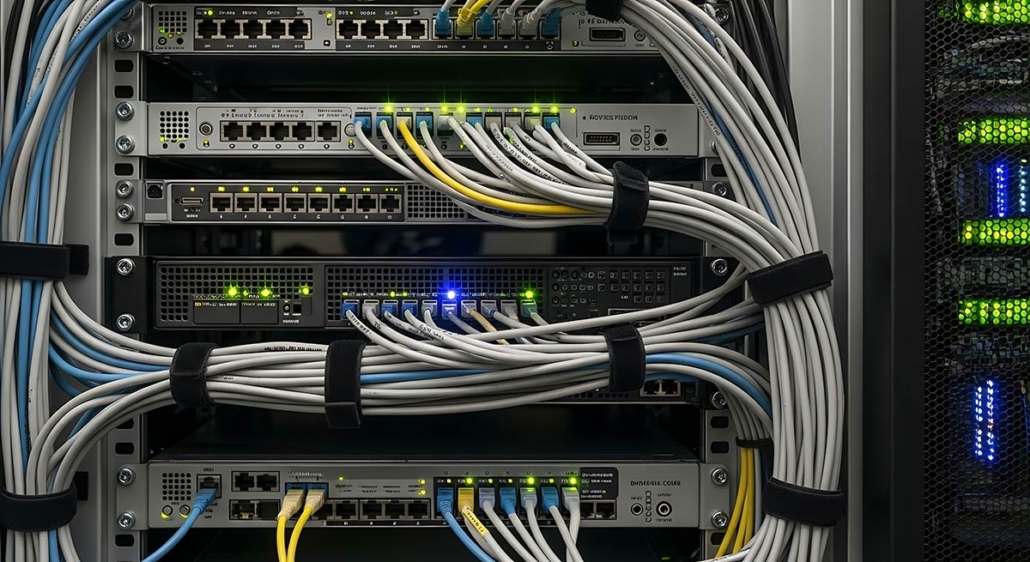
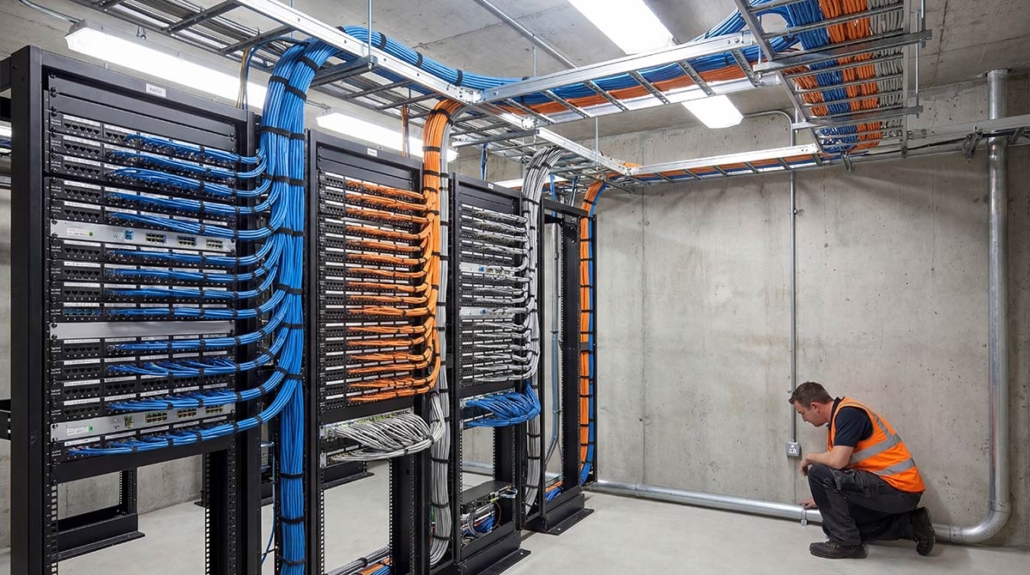
The equipment room serves as the central hub of your cabling system. This is where core hardware is housed, including servers, network switches, patch panels, and other critical infrastructure.

Because everything routes through this space, organization and proper layout are essential. A well-maintained equipment room improves system performance, simplifies troubleshooting, and supports future upgrades.
Backbone Cabling

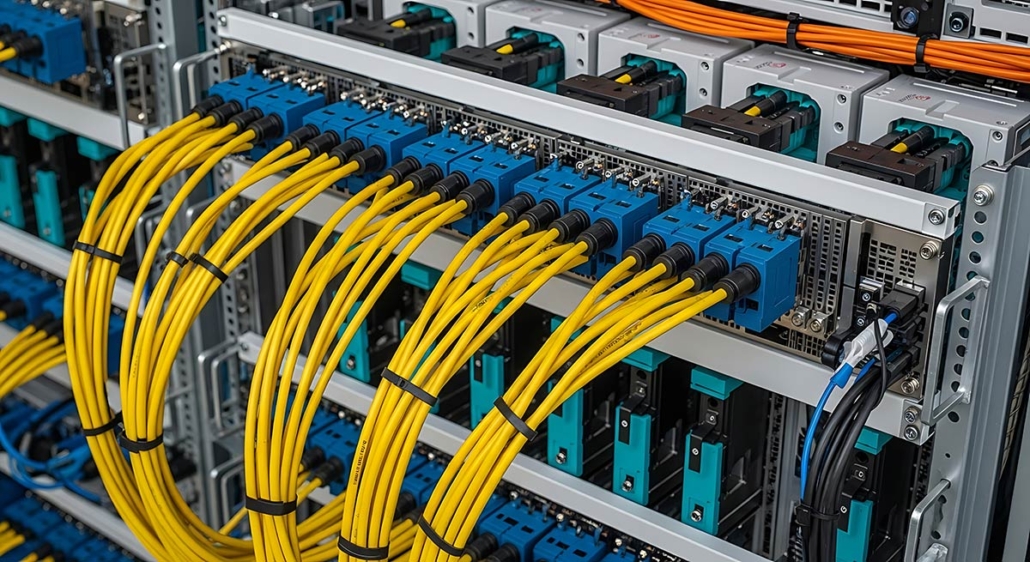
Backbone cabling connects different areas of a building, such as multiple floors or separate telecom rooms. These high-capacity cables are responsible for carrying large volumes of data across longer distances.

Often referred to as vertical cabling, this portion of the system is designed for speed, reliability, and scalability. It plays a critical role in maintaining consistent connectivity throughout the entire facility.

Telecommunications Room (TR)

Telecommunications rooms, sometimes called network closets, act as distribution points for each floor or section of a building. These rooms house intermediate equipment that connects the backbone cabling to horizontal cabling.

By segmenting the network this way, businesses can maintain better control, reduce congestion, and improve overall network efficiency.

A structured cabling system is the backbone of any modern commercial facility.

Horizontal Cabling

Horizontal cabling runs from the telecommunications room to individual work areas. This is the wiring that connects offices, workstations, POS systems, cameras, and other endpoint devices.

Because this is the most extensive portion of the system, proper installation and cable management are key. Clean, organized horizontal cabling ensures consistent performance and makes future modifications much easier.

Work Area

The work area is where end users interact with the network. This includes wall outlets, patch cords, and the devices themselves — such as computers, phones, and connected equipment.

Even though it’s the final step in the system, the work area plays a major role in user experience. Reliable connections here depend on the strength of every component that comes before it.

Why It All Matters

Each part of a structured cabling system serves a specific purpose, but they all work together to create a seamless and efficient network. When designed and installed correctly, structured cabling supports faster speeds, reduces downtime, and allows your business to grow without constant rework.

At TPSO, we specialize in designing and installing structured cabling systems that are built for performance, scalability, and long-term reliability. Whether you’re outfitting a new facility or upgrading an existing network, our team ensures every component is aligned with industry standards and your operational needs.